
Every founder knows technology matters — but most founders don’t know which technology matters. The internet is full of bloated tool lists, expensive platforms, and “must‑have” software that small businesses never actually use.
Here’s the truth:
Scalable businesses don’t need more tools. They need the right tools.
The right tech stack increases capacity, reduces inefficiency, improves customer experience, and gives founders visibility into their operations. The wrong tech stack creates complexity, confusion, and cost.
This article breaks down the core tools every scalable business actually needs, why they matter, and how to build a lean, powerful tech ecosystem that supports growth.
Why Technology Is the Backbone of Scale
Technology is not optional. It’s not a luxury. It’s not “nice to have.”
Technology is the infrastructure that allows your business to:
- handle more customers
- deliver more consistently
- automate repetitive work
- track performance
- reduce errors
- increase capacity
- operate independently of the founder
Without the right tech stack, scaling becomes slow, chaotic, inconsistent, stressful, and expensive.
Technology is how you build a business that grows without growing your workload.
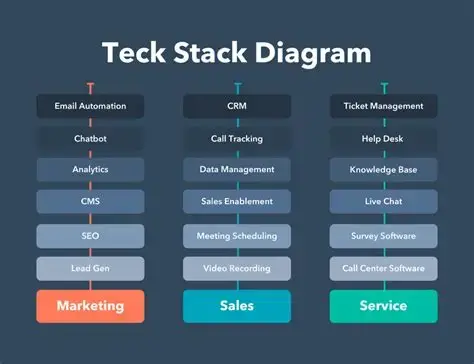
The 7 Core Components of a Scalable Tech Stack
These are the universal categories every growing business needs — regardless of industry.
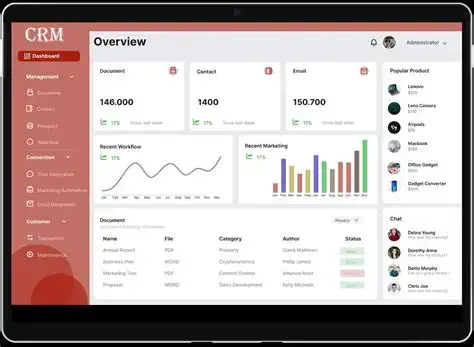
1. CRM
Your CRM is the heart of your scalable business.
It stores:
- customer data
- communication history
- sales pipelines
- follow‑ups
- segmentation
- retention workflows
A CRM gives founders visibility, consistency, and control.
Without a CRM:
- leads slip through cracks
- follow‑ups get forgotten
- customer experience becomes inconsistent
- sales become unpredictable
A CRM is non‑negotiable for scale.

2. Automation Tools
Automation replaces repetitive manual work with reliable, scalable workflows.
Automation handles:
- scheduling
- invoicing
- reminders
- onboarding
- follow‑ups
- task creation
- reporting
- customer nurturing
Automation doesn’t replace people — it replaces inefficiency.
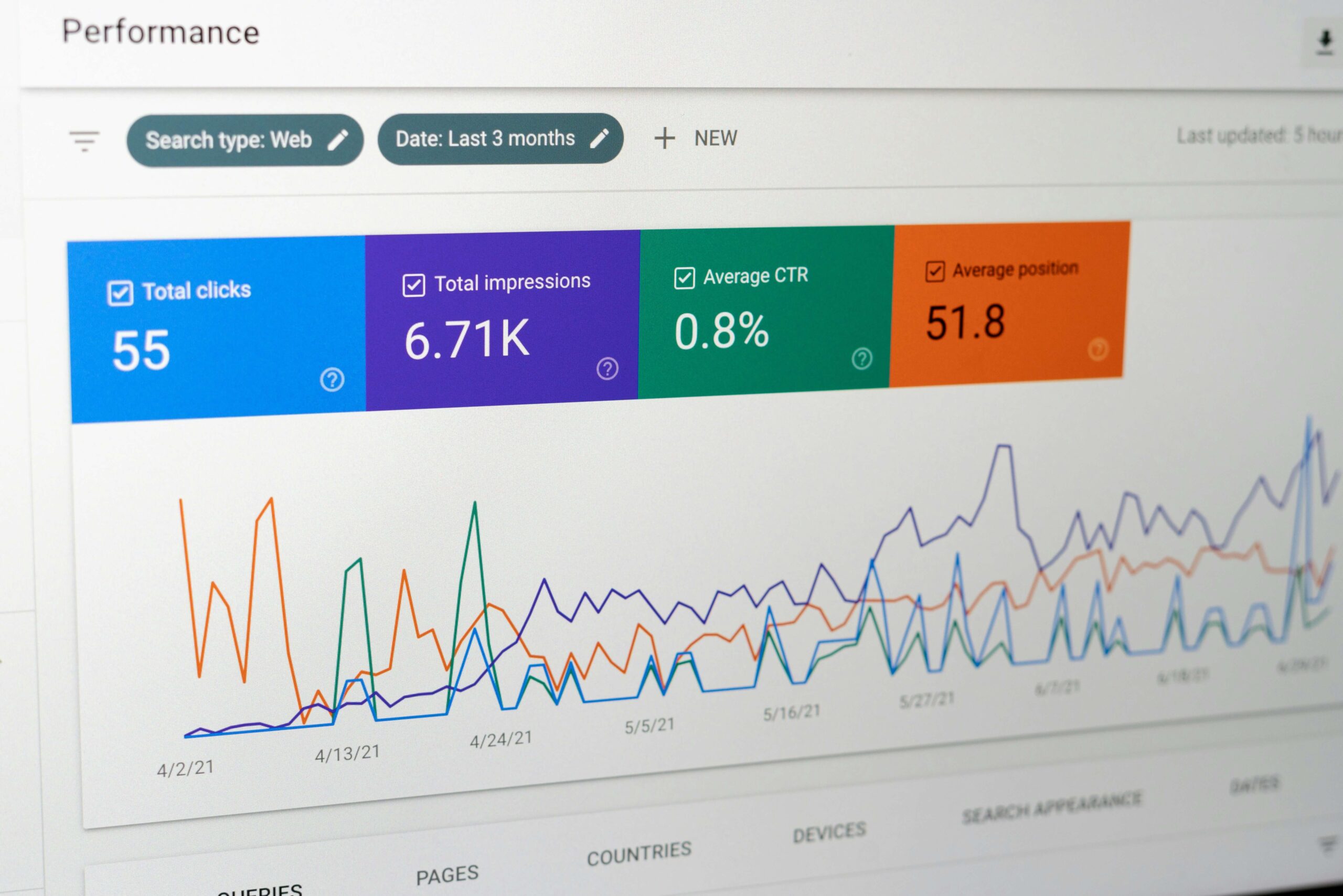
3. Analytics & Reporting
Scaling requires data — not guesses, intuition, or “I think things are going well.”
Analytics tools give founders:
- real‑time performance visibility
- customer behaviour insights
- financial clarity
- operational bottleneck detection
- marketing ROI tracking
Data is how founders make smart decisions at scale.
4. Cloud Storage & Collaboration
Cloud tools ensure your team can:
- access files anywhere
- collaborate efficiently
- share documents
- maintain version control
- reduce chaos
Cloud infrastructure is essential for remote teams, hybrid teams, and growing teams.
5. Project & Workflow Management
These tools organize:
- tasks
- deadlines
- workflows
- responsibilities
- communication
- approvals
Without workflow tools, scaling creates confusion and bottlenecks.
6. Communication Platforms
Communication must be:
- centralized
- consistent
- searchable
- integrated
Scattered communication kills efficiency.
7. Integrations
Integrations connect your tools so data flows automatically.
Examples:
- CRM ↔ email
- CRM ↔ invoicing
- CRM ↔ automation
- Project management ↔ communication
- Analytics ↔ CRM
Integrations eliminate manual data entry and reduce errors.
The Founder Mistake: Buying Too Many Tools Too Early
Most founders over‑tool their business.
Symptoms:
- paying for tools you don’t use
- overlapping features
- complex workflows
- team confusion
- integration issues
- subscription bloat
A scalable tech stack is lean, not large.
You don’t need 20 tools. You need 7–10 that work together.
The Scalable Tech Stack Blueprint (Founder‑Friendly)
Here’s the clean, simple tech stack every growing business should have.
1. CRM
Purpose: Manage customers, leads, and sales.
Look for:
- pipelines
- segmentation
- automation
- integrations
- reporting
2. Automation Platform
Purpose: Replace repetitive tasks.
Look for:
- workflows
- triggers
- scheduling
- onboarding automation
- follow‑up automation
3. Analytics Dashboard
Purpose: Track performance.
Look for:
- KPIs
- trends
- customer behaviour
- financial snapshots
- marketing attribution
4. Cloud Storage
Purpose: Centralize files.
Look for:
- secure access
- collaboration
- version control
- sharing permissions
5. Project Management Tool
Purpose: Organize work.
Look for:
- tasks
- deadlines
- workflows
- team assignments
- automation
6. Communication Platform
Purpose: Keep communication organized.
Look for:
- channels
- searchability
- integrations
- mobile access
7. Integration Layer
Purpose: Connect everything.
Look for:
- CRM sync
- automation triggers
- API access
- cross‑tool workflows
How to Build Your Tech Stack Without Overcomplicating Anything
Here’s the founder‑friendly roadmap.
Step 1 — Identify Your Operational Bottlenecks
Tech should solve problems, not create them.
Step 2 — Choose Tools That Integrate Easily
Integration is more important than features.
Step 3 — Start With the Core 3
CRM Automation Project management
Step 4 — Add Analytics and Cloud Storage
These increase visibility and collaboration.
Step 5 — Add Communication Tools
Centralize everything.
Step 6 — Add Integrations Last
Connect your ecosystem.
Step 7 — Review Your Stack Every 6 Months
Remove unused tools. Upgrade where needed. Keep it lean.
Real‑World Examples of Scalable Tech Stacks
Example 1: The Home‑Services Company That Automated Scheduling
CRM + automation + project management
Result: Capacity increased 3× without hiring.
Example 2: The Retail Boutique That Upgraded Inventory + Analytics
Cloud POS + analytics dashboards
Result: Better forecasting, fewer stockouts, higher revenue.
Example 3: The Consultant Who Built a Lean Tech Stack
CRM + automation + cloud storage
Result: She doubled her client load without increasing workload.
Final Thought: Technology Isn’t About Tools — It’s About Capacity
A scalable tech stack:
- increases efficiency
- reduces chaos
- improves customer experience
- supports automation
- enables growth
- protects the founder’s time
Technology is not the cost of scaling — it’s the engine of scaling.
Build it intentionally. Build it lean. Build it to grow.
Frequently Asked Questions
What is a tech stack for a scalable business?
A scalable tech stack is the set of tools—CRM, automation, analytics, cloud storage, workflow management, communication platforms, and integrations—that allow a business to grow without increasing chaos or workload.
Why is a CRM essential for scaling?
A CRM centralizes customer data, manages pipelines, automates follow-ups, and ensures consistent communication. Without a CRM, leads slip through cracks and sales become unpredictable.
What automation tools should small businesses use?
Automation tools handle repetitive tasks like onboarding, invoicing, reminders, follow-ups, and reporting. They increase capacity without increasing payroll.
How do analytics tools help with scaling?
Analytics tools provide visibility into performance, customer behavior, bottlenecks, and ROI. They help founders make data-driven decisions instead of relying on guesswork.
What cloud tools are best for small business collaboration?
Cloud tools allow teams to access files anywhere, collaborate in real time, maintain version control, and reduce communication chaos. They are essential for remote or growing teams.
How do integrations improve operational efficiency?
Integrations connect your tools so data flows automatically between systems. This eliminates manual data entry, reduces errors, and creates a seamless workflow across your tech stack.
How many tools does a scalable business actually need?
Most scalable businesses only need 7–10 core tools. Over-tooling creates complexity, confusion, and subscription bloat. A lean, integrated stack is more effective.
How do I choose the right tech stack for my business?
Start by identifying bottlenecks, choose tools that integrate easily, begin with CRM + automation + project management, and expand only when necessary.
A deep dive by Kelvin Williams
A blog post by Kelvin—highly skilled, well-traveled, educated, experienced, and professional. Bring a lot to the table—technical, administrative, and know-how
A detail and results-oriented marketing strategist and business analyst based in Canada. With a sharp eye for market trends and a passion for unlocking business potential, I specialize in crafting data-backed strategies that drive measurable growth. Whether it’s optimizing campaigns, analyzing performance metrics, or identifying untapped opportunities, I bring clarity and impact to every project.
You can so reach us on platforms like Pinterest, Quora , Medium and Tumblr