


If you’ve ever wondered why customers expect replies faster than a toddler spotting an unlocked iPad, welcome to the new era of digital communication. Messaging apps have quietly become the backbone of modern marketing — not because businesses demanded it, but because consumers did.
Today’s customer doesn’t want to fill out a form, wait 48 hours, or navigate a phone menu that sounds like it was designed by someone who hates people. They want answers now, in the apps they already use, in the format they already understand: short, direct, conversational messages.
For first‑time business owners, this shift can feel overwhelming. But used correctly, messaging apps can become one of the most powerful, cost‑effective, and relationship‑building tools in your entire marketing ecosystem.
At The Business Architect Firm, we see this transformation every day. Businesses that embrace messaging-based communication don’t just improve customer service—they increase conversions, strengthen loyalty, and create a brand presence that feels human in a digital world.
Let’s break down how to use messaging apps as strategic marketing tools — without the jargon, without the fluff, and with just enough wit to keep you awake.
Why Messaging Apps Became the New Marketing Powerhouse | Digital Marketing Tools
1. Customers Expect Instant Answers
We live in a world where people track food delivery in real time and get annoyed when the driver takes a wrong turn. Waiting is no longer part of the customer experience — it’s a threat to it.
Messaging apps solve this by enabling:
- Immediate responses
- Shorter decision cycles
- Higher conversion rates
When a customer asks, “Is this available in blue?” they’re not planning to wait until tomorrow. They’re planning to buy it from whoever answers first.
2. Messaging Feels Personal — Even When It’s Automated
Email is formal. Phone calls are intrusive. Messaging is the sweet spot: personal, convenient, and familiar.
Customers already use these apps to talk to friends, family, coworkers, and that one group chat they regret joining. When your business shows up in the same space, the interaction feels natural — not forced.
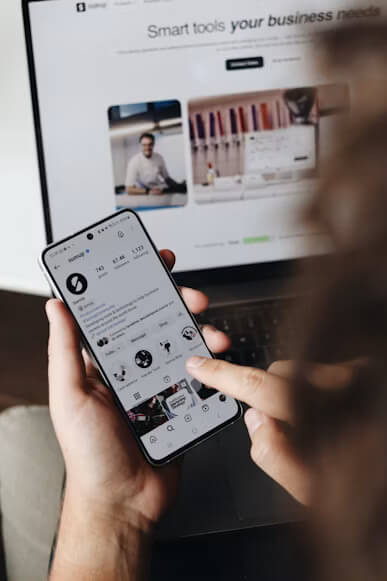
3. No New Apps, No New Learning Curve
The beauty of messaging apps is that your customers already know how to use them. They know how to send photos, voice notes, emojis, and — occasionally — messages they regret.
This means:
- No onboarding
- No downloads
- No friction
You meet customers where they already are.
4. Messaging Apps Are Global Powerhouses
Each major app dominates a different region or demographic:
- Messenger — North America, global Facebook users
- WhatsApp — Europe, Latin America, India, Africa
- WeChat — China (essentially the entire digital ecosystem)
- Viber — Eastern Europe, parts of Asia
- Telegram — Tech‑savvy and privacy‑focused audiences
- Snapchat — Younger demographics (13–34)
If your business wants to scale internationally, messaging apps are not optional — they’re essential infrastructure.
Free Download: “12 Steps to Build a Brand That Scales – Marketing & Branding”
This checklist gives you the exact framework professional brand strategists use to build marketing and branding systems – Build a strong brand to define your position, and market that brand to reach the right audience.
Deep Dive: What Each Messaging App Offers Businesses
Below is a strategic breakdown of the major platforms and how they support marketing.
Facebook Messenger: The Conversational Commerce Workhorse
Messenger remains one of the most powerful tools for small and medium‑sized businesses.
Key Strengths
- Direct, real‑time communication
- Automated responses and chatbots
- Integration with Facebook ads
- High engagement (people check Messenger more than email)
Example Scenario
A customer browsing your online shoe store wonders if a certain style fits wide feet. Instead of abandoning the cart, they tap “Message Us.” You reply with a sizing chart or a quick recommendation.
Sale saved.
The customer was impressed.
Marketing win.

WhatsApp: The Global Relationship Builder
WhatsApp Business is a favorite for companies operating internationally.
Key Strengths
- Encrypted, trusted communication
- Broadcast lists for promotions
- Quick replies and automated messages
- High open rates (often above 90%)
Ideal For
Retailers, service providers, consultants, and any business with global customers.
WeChat: The All‑In‑One Ecosystem (China’s Digital Universe)
If China is part of your market strategy, WeChat is non‑negotiable.
Key Strengths
- Messaging, payments, shopping, and customer service in one app
- Official business accounts
- Mini‑programs for e‑commerce
- Massive user base (1+ billion)
Ideal For
Brands expanding into China or serving Chinese tourists.
Viber: The Regional Power Player
Viber is particularly strong in Eastern Europe and parts of Asia.
Key Strengths
- Business accounts
- Promotional messages
- Community groups
- High adoption in specific regions
Telegram: The Tech‑Forward, Privacy‑Focused Option
Telegram attracts younger, tech‑savvy users.
Key Strengths
- Large file sharing
- Bots for automation
- Channels for broadcasting
- Strong privacy features
Ideal For
Tech brands, creators, startups, and communities.
Snapchat: The Youth Engagement Engine
If your audience is under 35, Snapchat is a goldmine.
Key Strengths
- High engagement
- Visual storytelling
- AR filters and lenses
- Messaging for customer interactions
Core Marketing Advantages of Messaging Apps
Messaging apps aren’t just communication tools — they’re marketing assets.
1. Direct Communication (No Middlemen, No Delays)
Customers can ask questions instantly, and you can respond instantly. This reduces friction and accelerates sales.
2. Higher Engagement Than Email
Let’s be honest: most people’s inboxes look like a digital landfill. Messenger and WhatsApp messages, however, get opened.
A bakery announcing new summer cupcakes via Messenger will outperform the same announcement via email—every time.
3. Automation That Feels Human
Chatbots can handle:
- FAQs
- Store hours
- Return policies
- Appointment scheduling
This frees you to focus on complex inquiries while customers still feel supported.
4. Personalized Offers That Convert
Messaging apps allow you to send the following:
- Product recommendations
- Upsells
- Birthday discounts
- Follow‑ups based on past purchases
Personalization increases loyalty — and revenue.
5. Superior Customer Service
Messaging apps allow customers to reach you quickly and privately. Faster support = happier customers = stronger brand loyalty.
How to Set Up Your Business on Each Platform
Below is a simplified, corporate‑friendly setup guide.
Facebook Messenger
- Go to Facebook → Create → Page
- Choose your business category
- Add name, description, hours, and contact info
- Enable messaging under Settings → General → Messages
WhatsApp Business
- Download WhatsApp Business
- Register with your business phone number
- Add your profile details
- Enable messaging tools (quick replies, automated messages)
- Register for a WeChat Official Account
- Complete business verification
- Add your company details
- Configure messaging and service features
Viber
- Download Viber
- Register for a Business Account
- Complete your profile
- Enable messaging features
Telegram
- Download Telegram
- Create a Business Account
- Use BotFather to set up a bot
- Add your business information
Snapchat
- Install Snapchat
- Create a Business Account
- Add your business details
- Enable messaging
How to Run Click‑Through Ads That Lead to Messaging Conversations
This is where messaging apps become true marketing engines.
Facebook Messenger Ads
- Create a new ad
- Choose Messages as your objective
- Build an ad that invites users to start a conversation
Example: “Want to explore our new collection? Tap to chat with us on Messenger.”
WhatsApp Click‑to‑Chat Ads
- Create a WhatsApp ad
- Link it to your WhatsApp Business account
- Users tap → chat opens instantly
WeChat Ads
Use WeChat’s ad platform to direct users to your official account.
Viber & Telegram Ads
Use their ad networks to encourage conversations or channel subscriptions.
Snapchat Ads
Use Snap Ads to drive users to your business profile or messaging inbox.
Best Practices for Using Messaging Apps as Marketing Tools
This is where businesses separate themselves from the competition.
1. Respond Quickly
If you take too long, customers assume you’ve been abducted by aliens or simply don’t care. Neither is good for business.
2. Keep Messages Short and Clear
Messaging is not the place for long paragraphs.
Think:
- Direct
- Helpful
- Human
3. Use Automation Wisely
Automation should support your team, not replace your humanity.
Good automation: “Thanks for your message! We’ll reply shortly.”
Bad automation: “Your inquiry has been received and will be processed in the order it was received.” (That’s how robots talk before they overthrow humanity.)
4. Personalize When Possible
Use names, purchase history, and preferences respectfully.
5. Don’t Spam
If you message customers too often, they’ll block you faster than a suspicious ex.
6. Maintain Professional Tone
Even with emojis, keep it polished. You’re a business, not a group chat.
Future Trends: Where Messaging‑Based Marketing Is Heading
AI‑Driven Chatbots
Bots will become smarter, more conversational, and more capable of handling complex tasks.
Conversational Funnels
Entire sales journeys will happen inside messaging apps — from discovery to payment.
Social Commerce Integration
Apps like WhatsApp and WeChat already support in‑app shopping. Others will follow.
Hyper‑Personalization
Messaging apps will deliver tailored recommendations based on behavior, preferences, and past interactions.
Conclusion: Messaging Apps Are the New Relationship Builders
People buy from brands they feel connected to. Messaging apps allow you to build those connections at scale—quickly, personally, and authentically.
A simple birthday message, a timely follow‑up, or a helpful answer can transform a casual shopper into a loyal customer. And in a world full of noise, that kind of connection is priceless.
Messaging apps aren’t just tools. They’re the new front door of your business.
And now, you know exactly how to use them.
Branding vs. Marketing
Understanding the synergy between identity and execution.
A deep dive by Kelvin Williams
A blog post by Kelvin—highly skilled, well-traveled, educated, experienced, and professional. Bring a lot to the table—technical, administrative, and know-how
A detail and results-oriented marketing strategist and business analyst based in Canada. With a sharp eye for market trends and a passion for unlocking business potential, I specialize in crafting data-backed strategies that drive measurable growth. Whether it’s optimizing campaigns, analyzing performance metrics, or identifying untapped opportunities, I bring clarity and impact to every project.
You can so reach us on platforms like Pinterest, Quora , Medium and Tumblr