
**Case Study: Juicero
The 10‑Second Summary
Juicero raised $120M+ to build a Wi‑Fi–connected, industrial‑grade juicer that squeezed proprietary juice packs.
The problem?
You could squeeze the packs with your hands — faster, cheaper, and without the $699 machine.
Juicero became the poster child for:
- over‑engineering
- founder detachment
- misaligned incentives
- and building a solution in search of a problem
But the deeper story is far more instructive — especially for founders building hardware, marketplaces, or any product where value must be obvious.
1. The Origin Story: Visionary Founder, Misguided Execution
Doug Evans, a raw‑food evangelist, believed cold‑pressed juice was the future.
He wanted to democratize it.
He wanted to bring “farm‑to‑glass” to every kitchen.
He wanted to build the Keurig of juice.
The vision wasn’t the problem.
The execution was.
Evans hired:
- robotics engineers
- aerospace‑grade designers
- ex‑Apple hardware talent
The result?
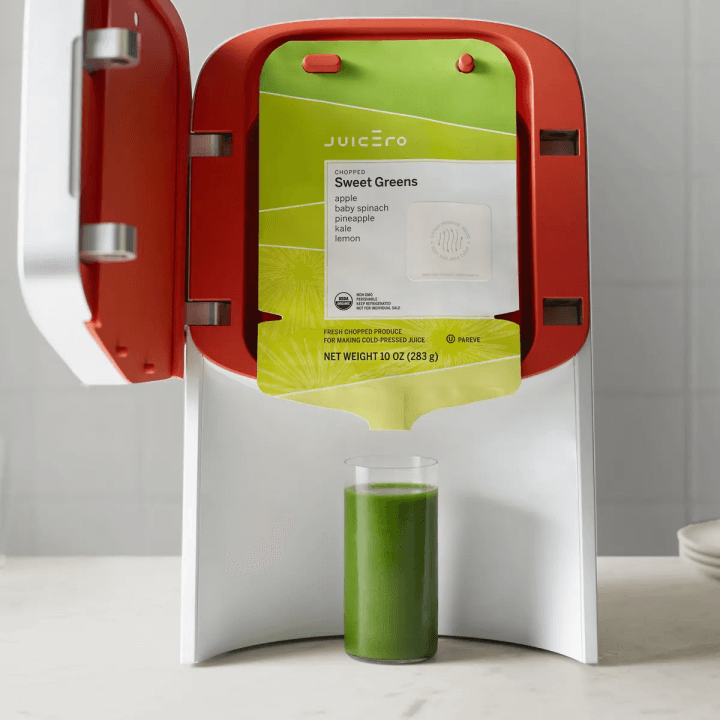
A machine built with the precision of a Mars rover…
…to squeeze a bag of chopped produce.
This is the first major lesson.
⚠️ Lesson 1: Over‑Engineering Is a Startup Killer
Juicero’s machine:
- had 400 custom parts
- required a 111‑step assembly process
- used a 3‑ton industrial press during prototyping
- cost $699 at launch
All to do something that human hands could replicate.
This is the classic founder trap:
“Because we can build something complex, we should.”
Juicero optimized for engineering elegance, not customer value.
2. The Business Model: Razor‑and‑Blades… Without the Razor
Juicero’s model was simple:
- Sell the machine at a high price
- Sell proprietary juice packs on subscription
But the economics were upside‑down:
- The machine was too expensive to scale
- The packs were expensive to produce
- The margins were thin
- The logistics were brutal (cold chain, perishables, regional distribution)
And worst of all…
The machine wasn’t necessary.
⚠️ Lesson 2: If Your Core Value Can Be Bypassed, You Don’t Have a Business
Bloomberg’s infamous video changed everything.
Two reporters squeezed a Juicero pack by hand — faster than the machine.
This wasn’t a PR problem.
It was an existential problem.
If your $699 hardware product can be replaced by:
- two hands
- gravity
- or a rolling pin
…you don’t have a defensible moat.
( ** An economic moat in finance refers to a company’s ability to maintain a sustainable competitive advantage that protects its long-term profits and market share from competitors. ** )
3. The Cultural Breakdown: Founder Detachment & Internal Blind Spots
Inside Juicero, employees knew the machine was overbuilt. They knew the packs could be squeezed manually. They knew the price point was absurd.
But the founder’s conviction was absolute.
Evans believed:
- the machine was a “platform”
- the QR code scanner was essential
- the Wi‑Fi connectivity was a breakthrough
- the engineering was the product
This created a culture where:
- dissent was unwelcome
- practicality was ignored
- engineering was worshipped
- customer reality was secondary
This is the same pattern we saw in Beepi — but with hardware, the consequences are even more brutal.

⚠️ Lesson 3: Founder Vision Must Be Balanced by Market Reality
Vision is fuel.
But unchallenged vision becomes delusion.
Juicero’s leadership optimized for:
- perfection
- elegance
- engineering beauty
Instead of:
- cost
- usability
- customer value
- market fit
A startup must be willing to kill its own darlings.
Juicero doubled down on them.
4. The Death Spiral: When the Narrative Turns Against You
Once the Bloomberg video went viral, Juicero became:
- a meme
- a punchline
- a symbol of Silicon Valley excess
Investors pulled back.
Retailers backed away.
Customers mocked the product.
The brand became radioactive.
Juicero tried:
- price cuts
- PR campaigns
- product pivots
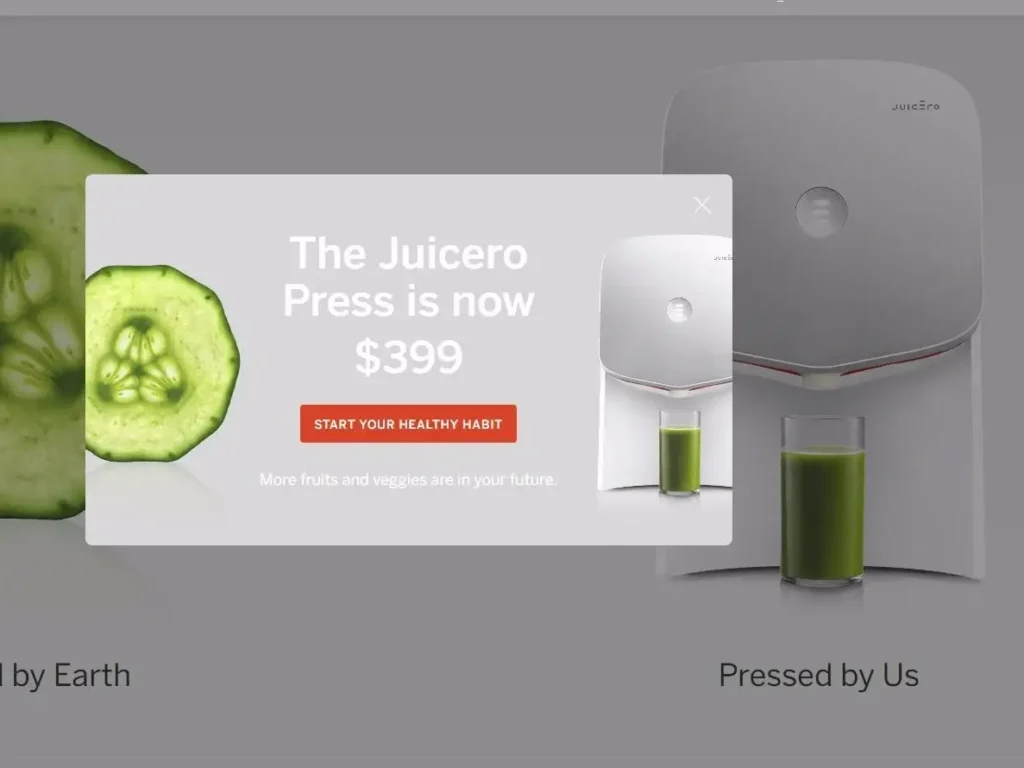
But once the narrative is “you built a $699 machine that does nothing,”
you’re done.
⚠️ Lesson 4: If You Become a Meme, You Lose Control of Your Story
Public perception is a force multiplier — positive or negative.
Juicero’s downfall wasn’t just operational.
It was cultural.
It was narrative.
It was symbolic.
They became the embodiment of:
- overfunded
- overhyped
- overengineered
- under‑useful
5. The Founder‑Level Takeaways (Critical for Djobzy)
A. Build for value, not complexity
Customers don’t care how hard something was to build.
They care how much it helps them.
B. Validate assumptions early
Juicero could have tested:
- manual squeezing
- price sensitivity
- customer willingness
- hardware necessity
…before spending $120M.
C. Don’t let engineering dictate the product
Engineering is a tool, not the vision.
D. Avoid proprietary lock‑in unless the value is undeniable
Juicero tried to force a closed ecosystem.
Customers rejected it instantly.
E. Never lose touch with the user
Juicero built for themselves, not the market.
6. The Juicero Rule (My favorite founder takeaway)
If your product can be replaced by a simpler, cheaper, more obvious solution, assume customers will choose it.
This rule alone could save founders millions.
A deep dive by Kelvin Williams.
I’m Kelvin – Highly skilled, well-traveled, educated, experienced and professional. Bring a lot to the table- technical, administrative and know how’s.
A detail and results-oriented marketing strategist and business analyst based in Canada. With a sharp eye for market trends and a passion for unlocking business potential, I specialize in crafting data-backed strategies that drive measurable growth. Whether it’s optimizing campaigns, analyzing performance metrics, or identifying untapped opportunities, I bring clarity and impact to every project.
You can also reach our team on platforms like Pinterest, Quora , Medium and Tumblr