

Standard Operating Procedure | A Practical Guide to SOPs, Workflows, Automation, and Documentation for Growing Companies
Every founder wants a business that runs smoothly, grows predictably, and scales sustainably. But here’s the truth most entrepreneurs learn the hard way:
You cannot scale chaos. You can only scale systems.
Scaling isn’t about hiring more people, selling more products, or expanding into new markets. Scaling is about building a business that can handle more volume without breaking, slowing down, or relying on the founder’s constant involvement.
This article breaks down the 7 core processes every business must standardize before scaling — the operational backbone that transforms a growing business into a scalable one.
If you want your business to grow without burning out your team (or yourself), these are the processes you must lock in.
Why Standardization Is the Foundation of Scale | Standard Operating Procedure
Standardization creates:
- Consistency
- Predictability
- Efficiency
- Quality
- Capacity
- Scalability
When processes are documented, repeatable, and reliable, your business becomes easier to manage, easier to grow, and easier to delegate.
When processes are not standardized, your business becomes:
- Founder‑dependent
- Error‑prone
- Stressful
- Slow
- Unpredictable
- Impossible to scale
Standardization is not bureaucracy — it’s liberation.
The 7 Processes Every Business Must Standardize Before Scaling
These are the universal processes that apply to every industry, every business model, and every founder. If these seven are not standardized, scaling will magnify inefficiency instead of growth.
1. Customer Onboarding & First Impressions | Standard Operating Procedure
Why it matters: Onboarding sets the tone for the entire customer relationship. If it’s inconsistent, confusing, or slow, customers lose confidence immediately.
Standardize:
- Welcome messages
- Setup instructions
- First‑week communication
- Resource delivery
- Expectations and timelines
- Orientation or kickoff calls
Impact: A smooth onboarding process increases retention, reduces support tickets, and creates a professional, scalable customer experience.

2. Service Delivery or Product Fulfillment
Why it matters: This is the core of your business. If delivery is inconsistent, scaling will break it instantly.
Standardize:
- Step‑by‑step workflows
- Quality checks
- Handoffs between team members
- Delivery timelines
- Packaging or presentation
- Customer communication
Impact: You eliminate errors, reduce delays, and ensure every customer receives the same high‑quality experience.
3. Sales & Lead Management | Standard Operating Procedure
Why it matters: Scaling requires predictable revenue — and predictable revenue requires a standardized sales process.
Standardize:
- Lead qualification
- Sales scripts or frameworks
- Follow‑up sequences
- Proposal templates
- CRM usage
- Closing procedures
Impact: Your sales process becomes repeatable, measurable, and scalable — not dependent on founder charisma or improvisation.
4. Marketing & Content Production | Standard Operating Procedure
Why it matters: Marketing chaos leads to inconsistent results. Scaling requires consistent messaging, consistent output, and consistent systems.
Standardize:
- Weekly content workflows
- Monthly campaigns
- Brand voice guidelines
- Posting schedules
- Email templates
- Creative approval processes
Impact: Your marketing becomes predictable, efficient, and easier to delegate — instead of random bursts of activity.
5. Customer Support & Issue Resolution
Why it matters: Support volume increases as you scale. Without standardized processes, support becomes overwhelming and inconsistent.
Standardize:
- Ticket triage
- Response templates
- Escalation paths
- FAQ documentation
- Refund or resolution policies
- Follow‑up procedures
Impact: Support becomes faster, smoother, and more professional — even as customer volume grows.
6. Internal Operations & Team Workflows
Why it matters: Scaling requires internal clarity. If your team doesn’t know how work flows, scaling will create confusion and bottlenecks.
Standardize:
- Task assignment
- Project workflows
- Communication channels
- Meeting rhythms
- File organization
- Approval processes
Impact: Your team becomes aligned, efficient, and capable of handling more complexity without chaos.
7. Finance, Billing & Cash Flow Management
Why it matters: Scaling increases financial complexity. Without standardized financial processes, cash flow becomes unpredictable — and unpredictable cash flow kills growth.
Standardize:
- Invoicing
- Payment collection
- Expense tracking
- Budgeting
- Financial reporting
- Profit allocation
Impact: You gain financial clarity, stability, and confidence — essential for scaling responsibly.
The Founder Mistake: Standardizing Too Late
Most founders wait until:
- They’re overwhelmed
- Their team is confused
- Customers complain
- Quality drops
- Growth stalls
- Chaos becomes normal
Then they try to standardize.
But standardization is not a rescue mission — it’s a preparation step.
You standardize before scaling, not after.

How to Standardize Processes (Without Overcomplicating Anything)
Here’s a simple, founder‑friendly method.
Step 1 — Identify Your Repetitive Tasks
Anything done more than twice should be documented.
Step 2 — Write the “Minimum Viable SOP”
Keep it simple:
- What is the task?
- Who does it?
- When is it done?
- How is it done?
- What tools are used?
- What quality checks exist?
Step 3 — Turn SOPs Into Workflows
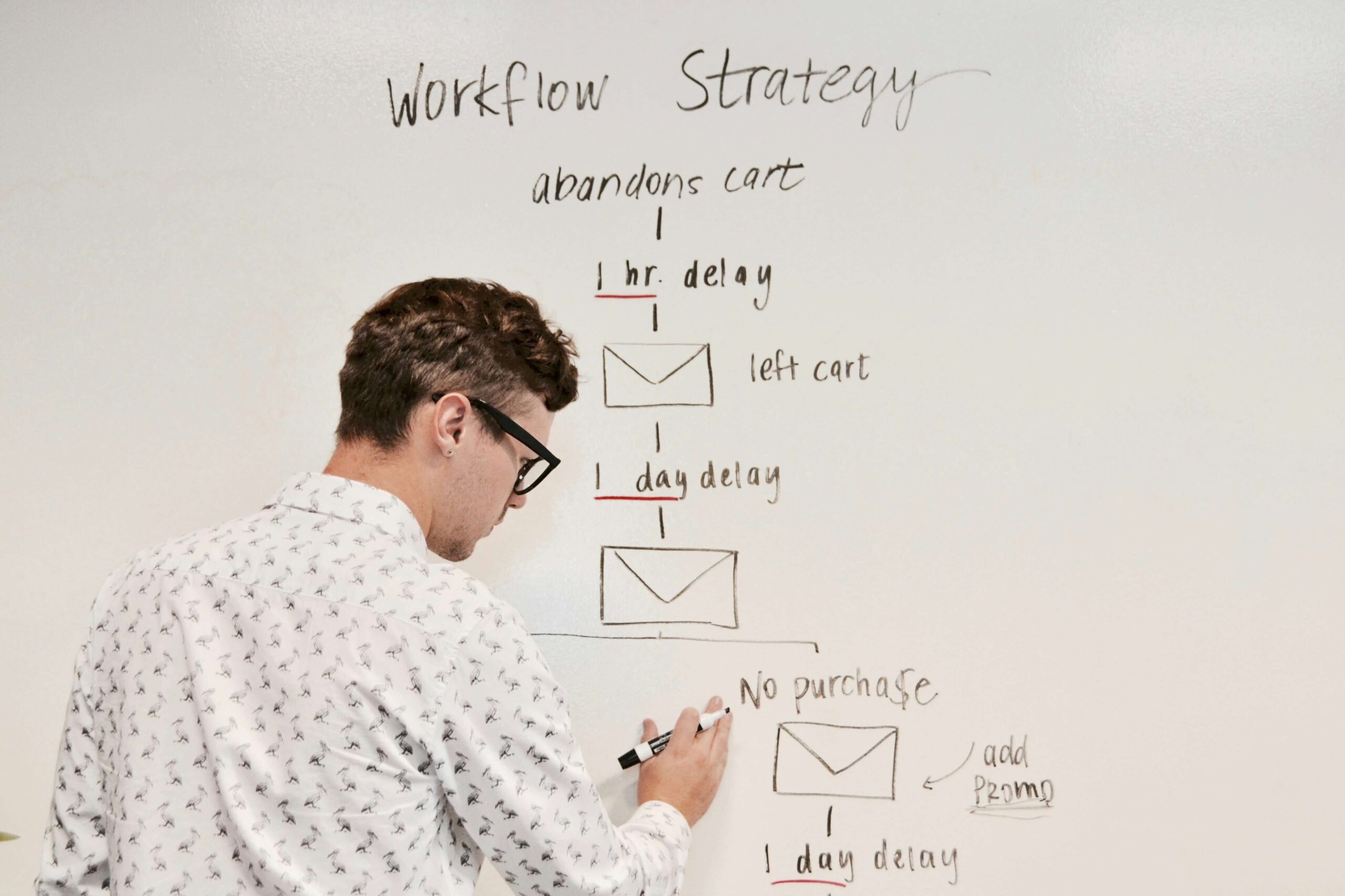
Use checklists, templates, or simple automation.
Step 4 — Train Your Team
Standardization only works if everyone follows it.
Step 5 — Improve Over Time
SOPs evolve as your business evolves.
Real‑World Examples of Standardization That Enabled Scale
Fresh, founder‑friendly examples.
Example 1: The Home‑Services Company That Standardized Delivery
A home‑services company documented every step of their service workflow. Result: Technicians delivered consistent quality, and weekly job capacity doubled.
Example 2: The Retail Boutique That Standardized Inventory Management
A boutique created SOPs for ordering, stocking, and merchandising. Result: Stockouts dropped, sales increased, and expansion became possible.
Example 3: The Consultant Who Standardized Onboarding
A consultant built a repeatable onboarding sequence. Result: Clients received a polished experience, and she saved 10 hours per week.
Final Thought: Systems Don’t Slow You Down — They Set You Free
Founders often resist standardization because it feels restrictive. But in reality, systems create freedom.
Freedom from:
- Repetition
- Chaos
- Bottlenecks
- Founder dependency
- Stress
- Inconsistency
When your business is built on standardized processes, scaling becomes not just possible — but predictable.
Systems are the backbone of sustainable growth. And these seven processes are where every founder must start.
A deep dive by Kelvin Williams
A blog post by Kelvin—highly skilled, well-traveled, educated, experienced, and professional. Bring a lot to the table—technical, administrative, and know-how
A detail and results-oriented marketing strategist and business analyst based in Canada. With a sharp eye for market trends and a passion for unlocking business potential, I specialize in crafting data-backed strategies that drive measurable growth. Whether it’s optimizing campaigns, analyzing performance metrics, or identifying untapped opportunities, I bring clarity and impact to every project.
You can so reach us on platforms like Pinterest, Quora , Medium and Tumblr