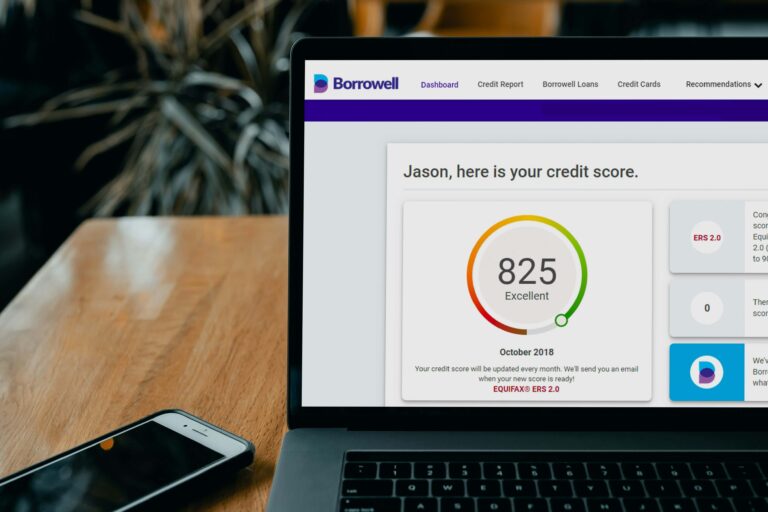


In the modern economy, your credit score is more than just a number; it is your financial reputation distilled into a three-digit figure. It is the silent architect of your lifestyle, determining not only where you live and what you drive, but often where you work.
If your score has slipped below the 600 mark, you aren’t just facing higher interest rates—you are facing a barrier to entry for your future goals. Here is why prioritizing credit repair is the most significant investment you can make today.
The True Cost of a Low Score
Many believe that a poor credit score simply results in a “no” from a bank. In reality, the “yes” can be even more expensive. When you carry a subprime score, you are hit with “risk-based pricing.” This means you might pay double or triple the interest on an auto loan or mortgage compared to someone with a healthy score. Over a lifetime, this “bad credit tax” can cost you hundreds of thousands of dollars.

Decoding the Repair Process
Credit repair is not an overnight fix; it is a strategic campaign. Like a mechanic diagnosing a vehicle, you cannot fix what you cannot see. Your first step is to pull your comprehensive reports from the “Big Three” bureaus: Equifax, Experian, and TransUnion.
Once you have your data, the process follows two distinct paths:
- The Correction Path: Credit bureaus are not infallible. Inaccuracies—ranging from outdated balances to accounts that aren’t even yours—are surprisingly common. Disputing these errors with supporting documentation is the fastest way to see a jump in your score.
- The Resolution Path: For legitimate debts, the strategy shifts to negotiation. Whether through debt consolidation to lower your interest rates or structured settlement agreements, the goal is to secure a “letter of satisfaction” to clear your record.
Rebuilding: The “Borrow to Grow” Paradox
Paradoxically, you often need to use credit to fix credit. A stagnant file doesn’t grow. By taking out a small, manageable credit line or a secured loan—even as low as $500—and paying it off religiously, you demonstrate to the algorithms that you are now a disciplined borrower. This “positive payment history” is the engine that drives your score upward.
The Road to Financial Recovery
There is a common misconception that bankruptcy is a quick escape. In reality, a bankruptcy filing remains a visible scar on your credit report for up to 10 years, potentially locking you out of premier financial opportunities for a decade.
Repairing your credit requires a shift in mindset – book a free credit consultation:
- Audit: Know exactly where your money is going.
- Automate: Ensure you never miss a deadline again.
- Advocate: If the process becomes overwhelming, seek a certified credit counselor.
Frequently Asked Questions | Personal Credit Report Canada
Is credit repair legal in Canada? Yes. Credit repair is a legal process grounded in your rights as a Canadian consumer under federal and provincial consumer protection legislation. The dispute process exists specifically to give consumers recourse against inaccurate credit reporting.
How long does credit repair take in Canada? Most clients begin seeing measurable results within 45 to 60 days of the dispute process beginning. Complex files with multiple items may require 90 to 180 days for full resolution. We provide a realistic, personalized timeline during your free initial consultation.
Can I repair my credit myself? Yes — the dispute process is your legal right and the tools to exercise it are available to every Canadian consumer. Professional credit repair makes sense when your file is complex, when previous DIY attempts have been unsuccessful, or when your situation is time-sensitive.
What is the difference between credit repair and credit counselling? Credit counselling focuses on debt management — helping you budget, negotiate lower payments, and manage existing debt. Credit repair focuses specifically on your credit report — identifying errors, disputing negative items, and rebuilding your score. They address different problems and many clients benefit from both at different stages.
How much does credit repair cost in Canada? Pricing depends on the complexity of your credit file and the scope of work required. We offer a free initial consultation — a complete review of your situation with no obligation — before any fees are discussed.
Will the dispute process hurt my credit score? No. Checking your own credit report and submitting disputes does not generate hard inquiries and does not negatively impact your score. In most cases, score improvement begins as negative items are resolved.
Final Thought
While credit mistakes are easy to make, they are not a life sentence. The best time to fix your credit was yesterday; the second best time is today. By moving from a position of avoidance to one of active management, you aren’t just fixing a score—you are reclaiming your financial freedom.
Free Download: The Canadian Credit Repair Checklist
Get our 12-step professional guide — no cost, no obligation.
A blog post by Amanda Cochrane she is a serial entrepreneur, investor and an avid writer at BAF. You can also reach our team on platforms like Pinterest, Quora , Medium and Tumblr