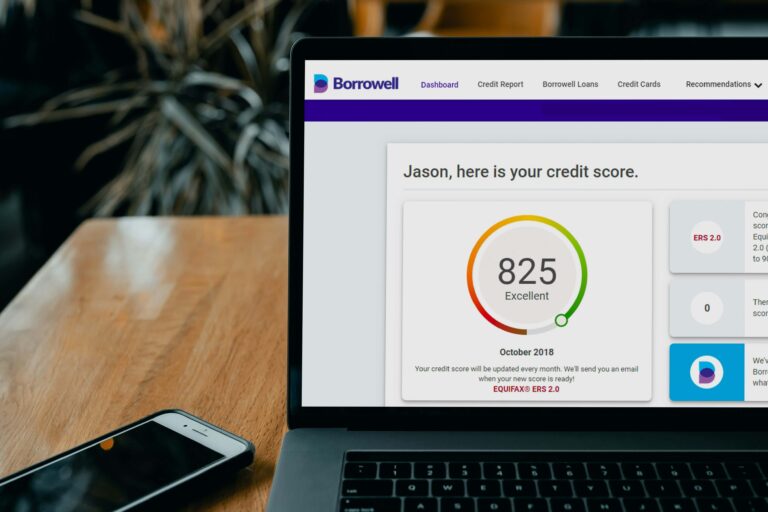

A consumer’s credit profile is a core component of modern risk assessment frameworks. Financial institutions rely on credit reports and scoring models to evaluate repayment capacity, determine pricing, and establish appropriate credit limits. When a borrower maintains a strong credit history, the need for credit repair interventions is effectively eliminated.
The following operational principles outline the behaviors and risk‑management practices that support long‑term credit health and reduce the likelihood of derogatory information appearing on a consumer’s credit file.

- Payment Performance: The Primary Determinant of Credit Quality
Institutions observe the following indicators when assessing payment performance:
- Absence of late payments
- No charge‑offs or collections
- Stable repayment patterns across multiple credit products
Automated payment scheduling, structured budgeting, and proactive account monitoring are effective tools for maintaining positive payment behavior.
- Credit Utilization and Capacity Management
Key considerations include the following:
- Maintaining utilization well below maximum limits
- Avoiding frequent or sustained max‑out behavior
- Preserving unused credit lines to support a favorable utilization ratio
Additionally, the longevity of open credit accounts contributes positively to credit scoring models. Long‑standing accounts reflect stability and a sustained relationship with the lender, both of which are viewed favorably in risk assessments.
- Limiting Hard Inquiries and Unnecessary Credit Expansion | Understanding How Credit Repair Works
Financial institutions typically evaluate the following:
- Frequency of recent inquiries
- Existing outstanding obligations
- Alignment between credit requests and demonstrated repayment capacity
Borrowers who manage existing credit effectively and avoid unnecessary applications maintain stronger credit profiles and reduce the likelihood of adverse scoring impacts.
- Behavioral Adjustments to Prevent Credit Deterioration
Consumers may need to implement corrective measures such as:
- Reducing discretionary expenditures
- Revising monthly budgets
- Requesting lower credit limits to prevent overextension
These actions help mitigate the risk of delinquency and protect the borrower’s long‑term financial stability.

Frequently Asked Questions | Understanding How Credit Repair Works
Is credit repair legal in Canada? Yes. Credit repair is a legal process grounded in your rights as a Canadian consumer under federal and provincial consumer protection legislation. The dispute process exists specifically to give consumers recourse against inaccurate credit reporting.
How long does credit repair take in Canada? Most clients begin seeing measurable results within 45 to 60 days of the dispute process beginning. Complex files with multiple items may require 90 to 180 days for full resolution. We provide a realistic, personalized timeline during your free initial consultation.
Can I repair my credit myself? Yes — the dispute process is your legal right and the tools to exercise it are available to every Canadian consumer. Professional credit repair makes sense when your file is complex, when previous DIY attempts have been unsuccessful, or when your situation is time-sensitive.
What is the difference between credit repair and credit counselling? Credit counselling focuses on debt management — helping you budget, negotiate lower payments, and manage existing debt. Credit repair focuses specifically on your credit report — identifying errors, disputing negative items, and rebuilding your score. They address different problems and many clients benefit from both at different stages.
How much does credit repair cost in Canada? Pricing depends on the complexity of your credit file and the scope of work required. We offer a free initial consultation — a complete review of your situation with no obligation — before any fees are discussed.
Will the dispute process hurt my credit score? No. Checking your own credit report and submitting disputes does not generate hard inquiries and does not negatively impact your score. In most cases, score improvement begins as negative items are resolved.
- Credit Management Eliminates the Need for Credit Repair | Understanding How Credit Repair Works
Sustained credit health is achieved through:
- Consistent on‑time payments
- Responsible utilization of revolving credit
- Limited and strategic credit inquiries
- Proactive financial planning
When these practices are followed, borrowers maintain a favorable credit profile, enabling access to competitive lending terms and reducing the need for remediation or credit repair services.
Free Download: The Canadian Credit Repair Checklist
Get our 12-step professional guide — no cost, no obligation.
A blog post by Kelvin – highly skilled, well-traveled, educated, experienced, and professional. Bring a lot to the table—technical, administrative, and know-how.
A detail and results-oriented marketing strategist and business analyst based in Canada. With a sharp eye for market trends and a passion for unlocking business potential, I specialize in crafting data-backed strategies that drive measurable growth. Whether it’s optimizing campaigns, analyzing performance metrics, or identifying untapped opportunities, I bring clarity and impact to every project. You can so reach us on platforms like Pinterest, Quora , Medium and Tumblr