**CASE STUDY: SHYP
I. Introduction: The Startup That Promised to Make Shipping Disappear
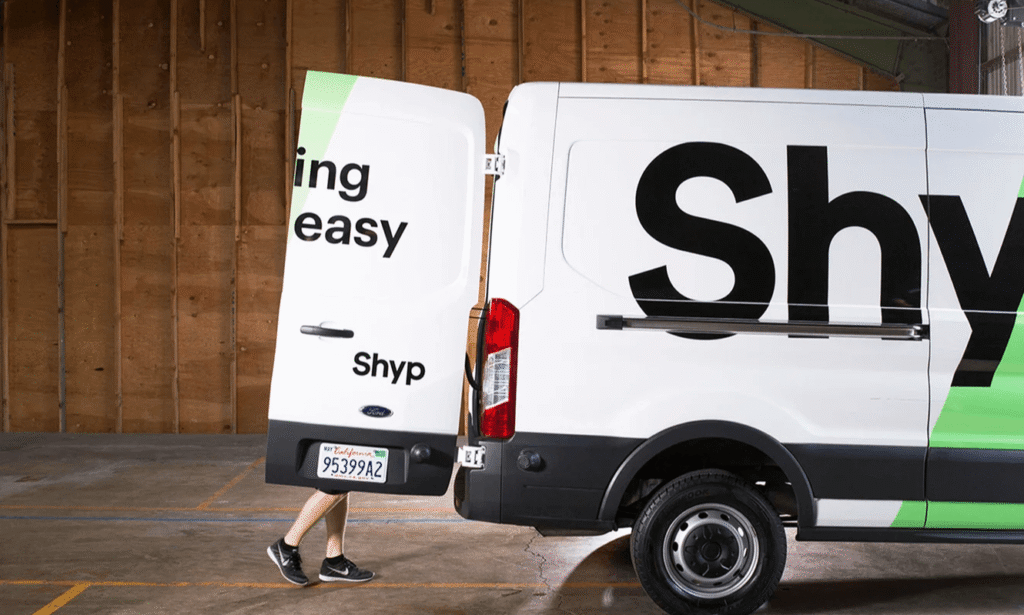
In 2013, Shyp emerged with a seductive promise: shipping anything, anywhere, would become as simple as tapping a button. No boxes. No tape. No post office lines. A courier would arrive, pick up your item, package it professionally, and send it off.
It was the kind of idea that made investors lean forward.
The press compared it to Uber. Consumers raved about the convenience. The company raised more than $62 million from top‑tier investors. And for a brief moment, Shyp looked like the future of logistics.
But four years later, the company shut down.
This case study explores how a startup with a beloved product, strong brand, and massive demand still collapsed — and what founders today can learn from its rise and fall.
II. The Big Idea: “Shipping in Two Taps” | Architecture for Startup Business
Shyp was built around a simple insight: People hate shipping things.
- It’s inconvenient
- It’s confusing
- It’s time‑consuming
- It’s emotionally draining (nobody enjoys the post office)
Shyp’s founders believed that if they could remove the friction, they could unlock a massive consumer market.
The Value Proposition | Architecture for Startup Business
- A courier arrives at your door
- They professionally package your item
- They ship it using the cheapest available carrier
- You track everything through the app
It was elegant. It was intuitive. It solved a real pain point.
And most importantly: It made people feel like magic was happening.
III. The Early Momentum: Press, Praise, and a Flood of Users
Shyp launched in San Francisco and immediately caught fire.
Press Coverage
The New York Times, Wired, TechCrunch, and dozens of major outlets covered the launch. The story was irresistible: a startup making shipping effortless.
User Adoption
Consumers loved it. The convenience was unmatched. People used Shyp to send:
- eBay items
- Gifts
- Returns
- Forgotten items to friends
- High‑value goods needing professional packaging
Investor Excitement
Investors saw:
- A massive TAM (total addressable market)
- A consumer behavior shift toward on‑demand services
- A founder with conviction
- A product that felt like the future
Shyp raised:
- Seed funding
- Series A
- Series B
The company was scaling fast — too fast.
IV. The Cracks Begin to Show: The Hidden Economics of Convenience
Shyp’s early success masked a fundamental problem:
The unit economics were terrible.
Every order required:
- A courier
- Transportation
- Packaging materials
- Labor
- Time
- A physical handoff to a shipping partner
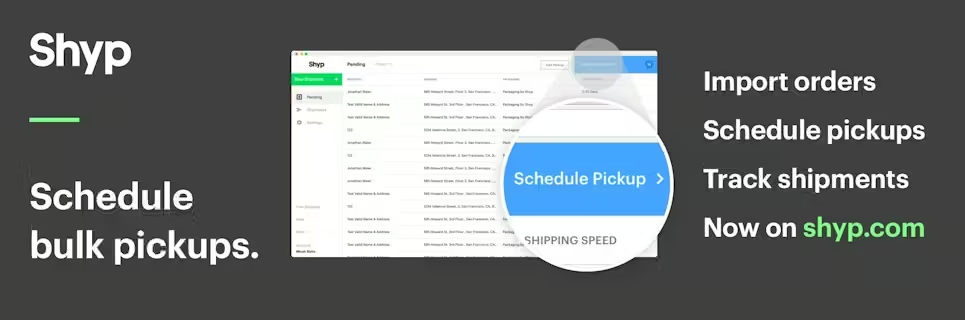
The company charged $5 per pickup, but the real cost per pickup was significantly higher.
Shyp was losing money on every transaction.
But because growth was skyrocketing, leadership believed they could “scale into efficiency.” This is a common startup myth — and one of the most dangerous.
V. The Growth Trap: When Success Becomes the Enemy
Shyp’s CEO, Kevin Gibbon, later admitted that the company became obsessed with growth metrics.
The logic was seductive:
- More users → more orders
- More orders → more efficiency
- More efficiency → better margins
- Better margins → profitability
But this only works when the underlying model can become profitable.
Shyp’s model couldn’t.
Why? | Architecture for Startup Business
Because the cost structure was fundamentally linear:
- Every new order required human labor
- Every new city required new couriers
- Every new customer increased operational complexity
This wasn’t software scaling. This was logistics scaling — and logistics is brutal.
VI. The Expansion Mistake: Scaling Before Stabilizing
Despite the shaky economics, Shyp expanded aggressively:
- New York
- Miami
- Los Angeles
Each new city multiplied the burn rate.
Instead of fixing the model in one market, Shyp tried to grow its way out of the problem.
This is the classic “grow at all costs” trap:
- Growth hides inefficiency
- Growth inflates valuation
- Growth creates momentum
- Growth becomes the story
But when growth slows — even slightly — the entire machine collapses.
VII. The Pivot That Came Too Late
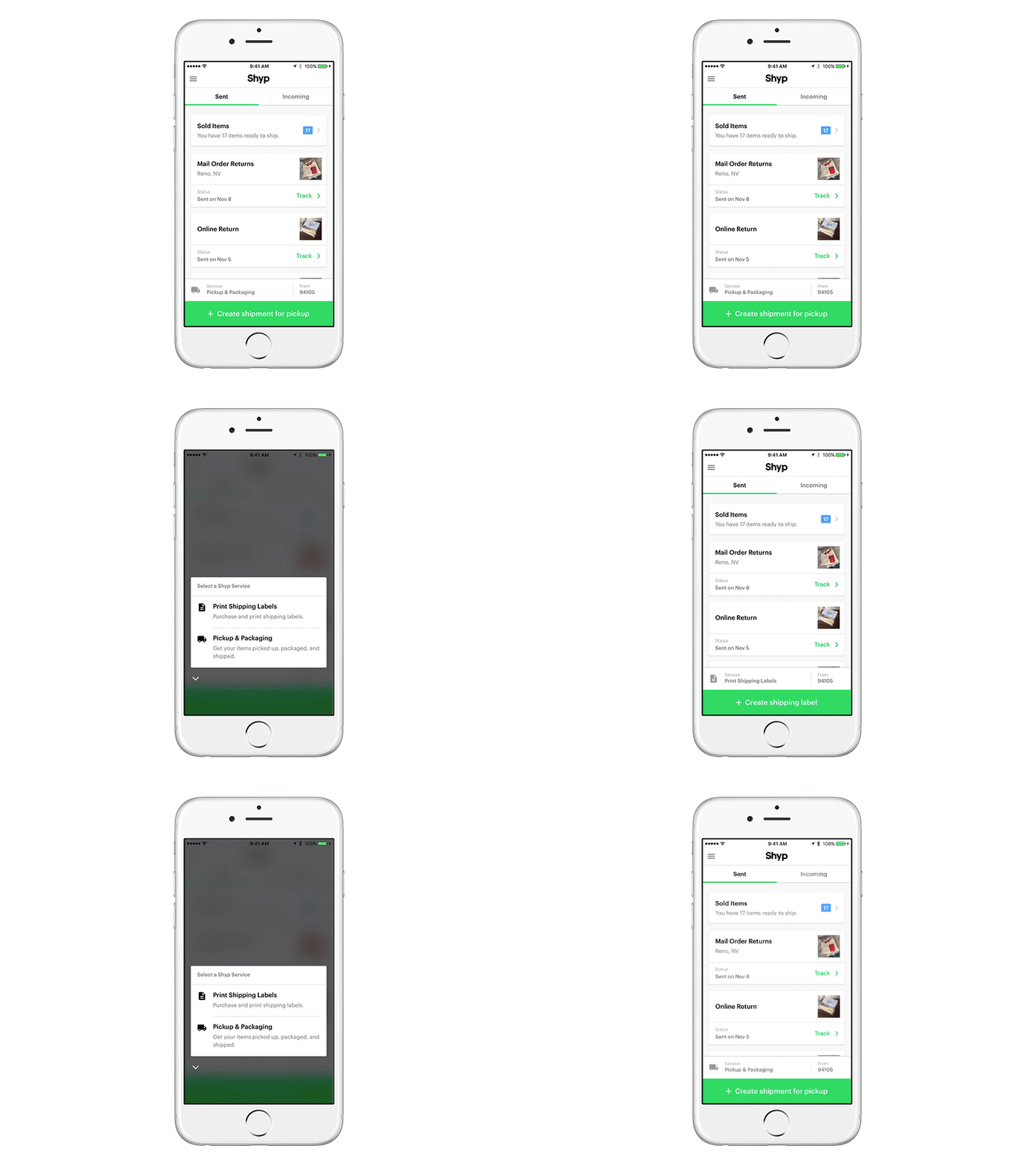
Eventually, the leadership team realized the consumer business wasn’t sustainable. They attempted a pivot toward:
- Business customers
- Bulk shipping
- More predictable revenue
This was the right move — but it came too late.
The burn rate was too high. The runway was too short. The company culture was too attached to the original vision.
By the time Shyp slowed down to rethink its strategy, the momentum had already reversed.
VIII. The Collapse: When the Numbers Finally Caught Up
In 2018, Shyp announced it was shutting down.
Kevin Gibbon wrote a candid post admitting:
- He chased vanity metrics
- He ignored early warning signs
- He believed growth would fix everything
- He didn’t pivot early enough
It was a rare moment of founder honesty — and a powerful lesson for the startup world.

IX. Founder Psychology: The Blind Spot That Kills Startups
Shyp’s failure wasn’t caused by incompetence. It was caused by founder psychology — a pattern seen across many failed startups.
1. The Vision Trap
Founders fall in love with the idea, not the economics.
2. The Comparison Trap
Being compared to Uber created pressure to scale like Uber.
3. The Momentum Trap
When investors, press, and users cheer you on, it becomes harder to slow down.
4. The Optimism Trap
Founders believe they can “figure it out later.”
5. The Identity Trap
Pivoting feels like admitting failure — so founders delay it.
These traps are subtle, emotional, and incredibly powerful.
X. The Strategic Lessons for Founders
1. Validate unit economics before scaling
If you lose money on every transaction, you can’t make it up in volume.
2. Growth is not a strategy
Growth is a result of a working strategy.
3. Don’t expand until the model works in one market
If it doesn’t work in San Francisco, it won’t magically work in New York.
4. Pivot early, not late
The longer you wait, the more expensive the pivot becomes.
5. Don’t let press coverage distort your priorities
Press is not traction. Traction is not profitability. Profitability is not optional.
6. Logistics is not software
You can’t “scale” humans the way you scale servers.
XI. The Djobzy Parallel: Why This Lesson Matters for Your World | Architecture for Startup Business
Shyp’s story is a powerful reminder for any marketplace or platform — including Djobzy.
Where Shyp scaled prematurely, Djobzy is:
- Validating features before expanding them
- Building a modular ecosystem that scales cleanly
- Prioritizing sustainable economics
- Avoiding the “growth at all costs” trap
- Designing for global expansion after the model is proven
Shyp teaches founders that momentum is not mastery. Djobzy is being built with mastery first.
XII. Conclusion: The Legacy of Shyp
Shyp didn’t fail because the idea was bad. It failed because the execution didn’t match the ambition.
But its legacy lives on as one of the most important startup lessons of the last decade:
If you scale a broken model, you don’t get a bigger company — you get a bigger collapse.
For founders, Shyp is a reminder to:
- Slow down
- Validate deeply
- Pivot early
- Build sustainably
- And never confuse hype with health
This is the kind of case study that shapes better founders — and better companies.
A deep dive by Kelvin Williams.
I’m Kelvin – highly skilled, well-traveled, educated, experienced, and professional. Bring a lot to the table- technical, administrative and know-how.
A detail and results-oriented marketing strategist and business analyst based in Canada. With a sharp eye for market trends and a passion for unlocking business potential, I specialize in crafting data-backed strategies that drive measurable growth. Whether it’s optimizing campaigns, analyzing performance metrics, or identifying untapped opportunities, I bring clarity and impact to every project.
You can also reach our team on platforms like Pinterest, Quora , Medium and Tumblr
Case Studies | When Engineering Genius Meets Zero Market Sense
| How a $149M Used‑Car Marketplace Imploded Under Its Own Weight