


A founder‑friendly guide to KPIs, dashboards, and decision‑making frameworks.
Growth is not just about doing more — it’s about knowing more. The founders who scale the fastest aren’t the ones who hustle the hardest. They’re the ones who make decisions based on data, not instinct.
Data turns chaos into clarity. Data turns uncertainty into direction. Data turns “I think” into “I know.”
This article expands your KPI and monitoring sections by giving you a practical, founder‑friendly framework for using analytics to scale smarter, faster, and with less stress.
Why Data Matters More as You Scale
As your business grows, complexity grows with it. More customers. More tasks. More moving parts. More opportunities — and more risks.
Data becomes your navigation system.
It tells you:
- what’s working
- what’s not
- what’s slowing you down
- what’s costing you money
- what’s driving growth
- what needs fixing
- what needs doubling down
Without data, founders rely on:
- gut feelings
- assumptions
- anecdotal feedback
- emotional decision‑making
That works at 5 customers. It breaks at 50.
The 3 Types of Data Every Founder Needs
These are the universal categories that matter for scaling.
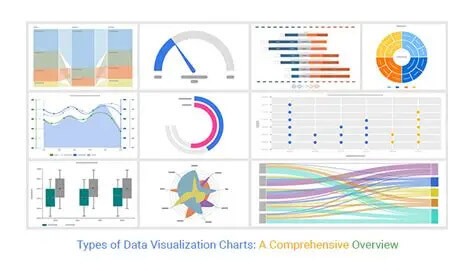
1. Performance Data
This tells you how well your business is doing.
Examples:
- revenue
- profit
- customer acquisition
- retention
- conversion rates
This is your scoreboard.
Explore more: performance KPIs
2. Operational Data
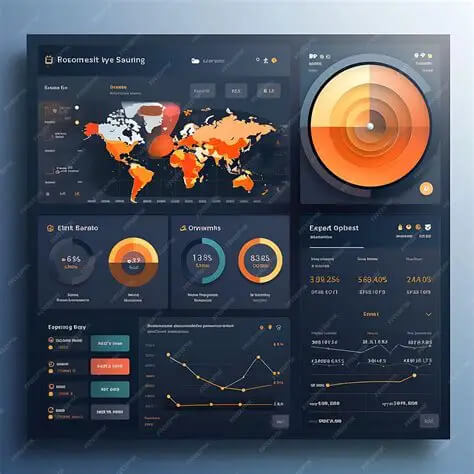
This tells you how efficiently your business runs.
Examples:
- task completion times
- workflow bottlenecks
- team capacity
- delivery speed
- error rates
This is your engine health.
Explore more: operational bottlenecks
3. Customer Data
This tells you what your customers want and how they behave.
Examples:
- purchase patterns
- churn reasons
- satisfaction scores
- lifetime value
- feedback trends
This is your growth compass.
Explore more: customer analytics
The Founder’s KPI Framework: The 12 Metrics That Matter
Here are the KPIs every scaling business should track — no fluff, no vanity metrics.
Growth KPIs
- Customer Acquisition Rate
- Lead Conversion Rate
- Monthly Recurring Revenue (MRR)
Financial KPIs
- Gross Margin
- Customer Lifetime Value (CLV)
- Customer Acquisition Cost (CAC)
Operational KPIs
- Average Task Completion Time
- On‑Time Delivery Rate
- Workflow Bottleneck Frequency
Customer KPIs
- Retention Rate
- Net Promoter Score (NPS)
- Churn Rate
If you track these 12 metrics consistently, you’ll always know exactly where your business stands.
Explore more: KPI dashboard design
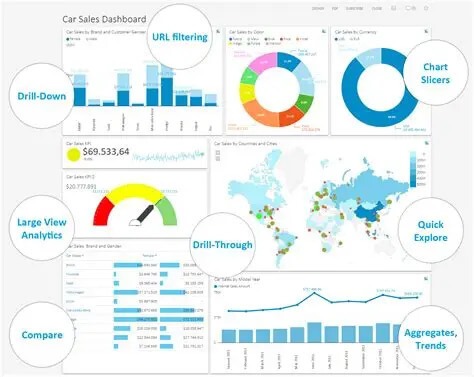
Dashboards: Your Scaling Command Center
Dashboards turn raw data into actionable insights.
A good dashboard is:
- simple
- visual
- real‑time
- decision‑focused
A bad dashboard is:
- cluttered
- confusing
- filled with vanity metrics
- ignored by the team
Your dashboard should answer three questions instantly:
1. Are we growing?
(Revenue, MRR, acquisition, retention)
2. Are we efficient?
(Task times, bottlenecks, delivery speed)
3. Are customers happy?
(NPS, churn, satisfaction)
Explore more: dashboard best practices
The Founder’s Decision‑Making Framework (Data → Insight → Action)
Here’s the simple, scalable process founders should use.
Step 1 — Collect the Right Data
Not everything — just the KPIs that matter.
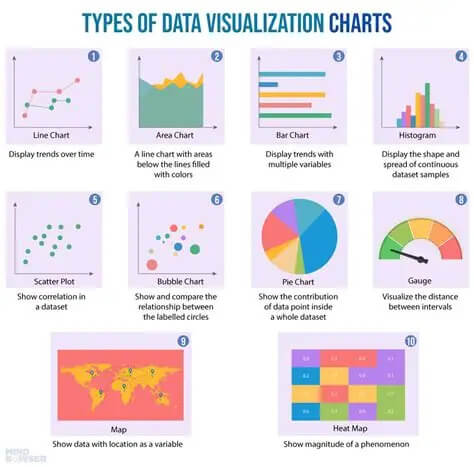
Step 2 — Visualize It Clearly
Dashboards > spreadsheets.
Step 3 — Identify Patterns
Look for:
- trends
- spikes
- drops
- bottlenecks
- anomalies
Step 4 — Ask the Right Questions
Examples:
- Why did conversion drop last week?
- Why is delivery slower this month?
- Why are customers churning after 90 days?
Step 5 — Make a Decision
Data should lead directly to action.
Step 6 — Measure the Impact
Did the change help? Did it hurt? Did it do nothing?
This is how founders grow smarter.
Explore more: data‑driven decision making
Free Download: “The Strategic Financing Checklist:
– 12 Steps to Secure the Capital Your Business Needs to Scale””
This checklist gives you the exact framework you need to get the right financing, to scale and growth your business.
Real‑World Examples of Data‑Driven Scaling
Example 1: The Retail Brand That Fixed a Hidden Bottleneck
Data showed checkout times were slow. They upgraded POS. Conversion increased 18%.
Example 2: The Agency That Reduced Churn
Data showed clients left after 60 days. They added a 45‑day check‑in. Churn dropped 32%.
Example 3: The SaaS Startup That Doubled MRR
Data showed one feature drove most upgrades. They improved it. MRR doubled in 6 months.
Explore more: scaling case studies
Frequently Asked Questions
What does data-driven scaling mean?
Data-driven scaling means using analytics, KPIs, and dashboards to make smarter decisions that support predictable and sustainable business growth.
Which KPIs should founders track?
Founders should track growth KPIs, financial KPIs, operational KPIs, and customer KPIs. These include MRR, CAC, CLV, retention, churn, and workflow efficiency.
Why are dashboards important for scaling?
Dashboards turn raw data into clear insights. They help founders instantly see growth, efficiency, and customer satisfaction trends.
How do I build a KPI dashboard?
Start with the 12 core KPIs, visualize them clearly, update them automatically, and ensure the dashboard answers three questions: Are we growing? Are we efficient? Are customers happy?
How does data improve decision making?
Data reveals patterns, bottlenecks, and opportunities. It helps founders make decisions based on evidence instead of assumptions or guesswork.
What tools help with data-driven scaling?
Analytics dashboards, CRM reporting, automation platforms, and customer feedback tools help founders collect and interpret data effectively.
Final Thought: Data Isn’t About Numbers — It’s About Clarity
Data doesn’t replace intuition — it sharpens it. Data doesn’t replace leadership — it strengthens it. Data doesn’t replace experience — it enhances it.
Scaling is not about doing more. Scaling is about knowing more.
When founders use data to guide decisions, growth becomes predictable, sustainable, and far less stressful.
Data is how you grow smarter — not harder.
A deep dive by Kelvin Williams
A blog post by Kelvin—highly skilled, well-traveled, educated, experienced, and professional. Bring a lot to the table—technical, administrative, and know-how
A detail and results-oriented marketing strategist and business analyst based in Canada. With a sharp eye for market trends and a passion for unlocking business potential, I specialize in crafting data-backed strategies that drive measurable growth. Whether it’s optimizing campaigns, analyzing performance metrics, or identifying untapped opportunities, I bring clarity and impact to every project.
You can so reach us on platforms like Pinterest, Quora , Medium and Tumblr