**CASE STUDY: BEEPI
I. Introduction: The Marketplace That Was Supposed to Fix Used‑Car Buying
In 2013, Beepi launched with a bold promise: Buying or selling a used car should be as easy as ordering a pizza.
The founders believed the used‑car market was broken — full of distrust, friction, and terrible customer experiences. Their solution was elegant:

- Inspect every car
- Certify it
- Sell it online
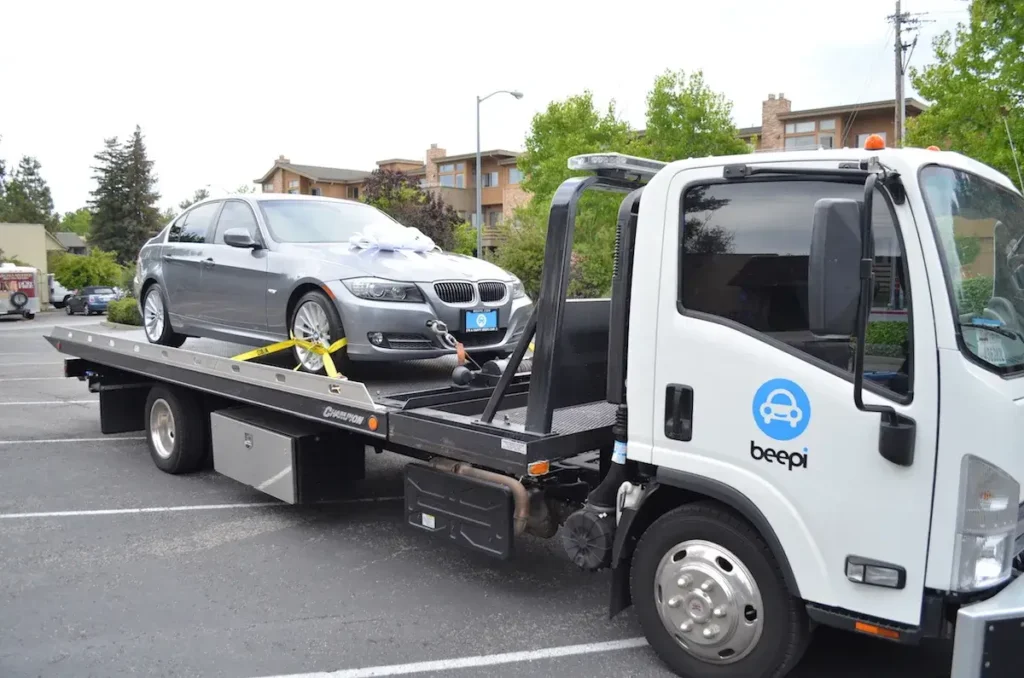
- Deliver it to the buyer’s door
No dealerships. No haggling. No hidden problems.
It was the perfect idea for the on‑demand era. Investors loved it. Consumers loved it. The press loved it.
Beepi raised $149 million, hit a valuation of nearly $560 million, and became one of Silicon Valley’s hottest companies.
Three years later, it was gone.
This case study explores how a startup with a brilliant idea, massive funding, and strong demand collapsed — not because of the market, but because of itself.
II. The Big Idea: Reinventing Trust in a Broken Industry
The used‑car market is enormous — more than $700 billion in the U.S. alone — but plagued by:
- Information asymmetry
- Shady dealers
- Hidden mechanical issues
- High‑pressure sales tactics
- Zero transparency
Beepi’s founders saw an opportunity to build the “Zappos of used cars” — a trusted, delightful, online‑first experience.
The Value Proposition | Creating a Scalable Architecture Start up
- Sellers get a guaranteed price
- Buyers get a fully inspected, certified vehicle
- Beepi handles everything: inspection, listing, payment, delivery
- No dealerships, no negotiation, no surprises
It was a marketplace built on trust — and trust is the most valuable currency in used cars.

III. The Early Momentum: A Perfect Storm of Hype and Capital
Beepi launched at the peak of the on‑demand boom. Uber, DoorDash, Instacart, and dozens of others were redefining convenience. Investors were hunting for the next category‑defining marketplace.
Beepi checked every box:
- Huge market
- Clear pain point
- Strong consumer demand
- Beautiful brand
- High‑margin potential
- A charismatic founding team
Funding Floods In | Creating a Scalable Architecture Start up
- $5M seed
- $60M Series B
- Additional rounds pushing total funding to $149M
The company expanded rapidly across California and into new states. Cars were selling. Customers were thrilled. The brand was strong.
But underneath the surface, the machine was breaking.
IV. The Cracks: Operational Chaos Behind a Beautiful Front End
Beepi’s customer experience was exceptional — but the internal operations were a mess.
1. The Burn Rate Was Out of Control
Beepi was spending $7 million per month — an astonishing number for a marketplace.
Where was the money going?
- Extremely high executive salaries
- Lavish office spending
- A reported $10,000 couch for an executive
- Overstaffing
- Inefficient logistics
- Poor financial discipline
The company behaved like a unicorn long before it earned the right to.
2. Leadership Micromanaged Everything
Employees reported:
- Slow decision‑making
- Founders interfering in minor details
- No empowerment
- No operational clarity
Micromanagement kills speed — and speed is life in marketplaces.
3. The Business Model Wasn’t Built for Scale
Beepi tried to control:
- Inspections
- Pricing
- Listings
- Delivery
- Customer service
- Payments
This created a vertically integrated monster — expensive, slow, and fragile.
4. The Valuation Trap | Creating a Scalable Architecture Start up
Beepi pushed for higher and higher valuations. This created unrealistic expectations and made future fundraising harder.
When the numbers didn’t match the hype, investors got nervous.
V. The Collapse Begins: A Single Investor Pulls Out
In 2016, Beepi was negotiating a major funding round with a strategic Chinese investor. The deal would have extended their runway and allowed them to restructure.
At the last minute, the investor backed out.
This was the moment the entire company unraveled.
Why? | Creating a Scalable Start up
Because Beepi had:
- No financial discipline
- No sustainable margins
- No operational efficiency
- No backup plan
- No ability to survive without constant capital infusions
When the money stopped, the company had no foundation to stand on.
VI. The Final Days: Layoffs, Fire Sales, and a Quiet Ending
After the investor pulled out:
- Beepi laid off 180 employees
- Tried to merge with Fair.com
- Attempted to sell assets to multiple buyers
- Negotiated with several automakers
Nothing worked.
The company shut down in 2017, with remaining assets absorbed by Fair.com in what was essentially a salvage operation.
A $149 million startup evaporated.
VII. Founder Psychology: The Blind Spots That Destroyed Beepi
Free Download: “The Strategic Financing Checklist:
– 12 Steps to Secure the Capital Your Business Needs to Scale””
This checklist gives you the exact framework you need to get the right financing, to scale and growth your business.
Beepi’s failure wasn’t caused by the market. It was caused by founder mindset.
1. The “Luxury Startup” Mentality
The founders believed:
- High spending signaled success
- Lavish perks attracted talent
- A premium brand required premium expenses
This is a dangerous myth.
2. The “Raise More Money” Reflex
Instead of fixing the model, they tried to raise their way out of problems.
Capital became a crutch.
3. The “We’re the Exception” Belief
Founders convinced themselves that:
- Margins would improve later
- Scale would fix inefficiencies
- Investors would always be there
These beliefs blinded them to reality.
4. The Ego Trap
Pushing for higher valuations made the company fragile. When expectations exceed performance, the fall is brutal.
VIII. Strategic Lessons for Founders
1. Capital is not a strategy
Money amplifies whatever exists — good or bad.
2. Operational discipline is non‑negotiable
A marketplace is only as strong as its logistics.
3. Culture is a cost center if not managed
Lavish spending is not culture. Empowerment, clarity, and accountability are culture.
4. Valuation is a trap
A high valuation is not an achievement — it’s a liability if you can’t grow into it.
5. Don’t build a business that requires infinite fundraising
If your model only works with constant capital injections, it doesn’t work.
6. Vertical integration is dangerous
Control is good. Owning everything is deadly.
IX. The Djobzy Parallel: Why This Lesson Matters for Your World
Beepi is a masterclass in what happens when a startup:
- Scales too fast
- Spends too freely
- Confuses brand with business
- Prioritizes valuation over viability
Djobzy is intentionally avoiding these traps by:
- Building lean, efficient operations
- Prioritizing sustainable economics
- Designing a scalable, modular platform
- Avoiding unnecessary vertical integration
- Growing through value, not vanity
- Maintaining discipline even as the vision expands
Where Beepi chased hype, Djobzy is building durability.
X. Conclusion: The Legacy of Beepi
Beepi didn’t fail because the idea was flawed. It failed because the execution was reckless.
Its story is a powerful reminder that:
- Great ideas can be destroyed by bad operations
- Funding can hide problems, not solve them
- Culture can be a liability
- Valuation can become a trap
- And discipline is the ultimate competitive advantage
For founders, Beepi is a cautionary tale about the dangers of believing your own hype — and the importance of building a company that can survive without constant oxygen from investors.
A deep dive by Kelvin Williams.
I’m Kelvin – highly skilled, well-traveled, educated, experienced, and professional. Bring a lot to the table- technical, administrative and know-how.
A detail and results-oriented marketing strategist and business analyst based in Canada. With a sharp eye for market trends and a passion for unlocking business potential, I specialize in crafting data-backed strategies that drive measurable growth. Whether it’s optimizing campaigns, analyzing performance metrics, or identifying untapped opportunities, I bring clarity and impact to every project.
You can also reach our team on platforms like Pinterest, Quora , Medium and Tumblr
Case Studies | How a Brilliant Idea, Explosive Growth, and a Single Blind Spot Took Down a $62M Startup | When Engineering Genius Meets Zero Market Sense | Saint Lucia IBC IP Holding